Your Auto Body Shop Is Losing $8,000+ a Month to Missed Calls
A driver in Fort Myers gets rear-ended on Colonial Boulevard on her way home from work. Nobody is hurt, but her bumper is pushed in, the trunk will not close right, and the other driver’s insurance has already told her to get an estimate. She needs a body shop this week, and she is not shopping for the cheapest repair — she is shopping for whoever answers, sounds straight with her, and can get her car looked at before the weekend. She calls your shop first — local, strong reviews, cars coming out of your bays all over town. You are under a fender in Estero with a sander running and paint dust in the air. Your phone rings out to voicemail.
She calls the next shop on the list. They answer on the second ring and book an estimate for tomorrow morning. A rear-end repair like hers runs about $3,800. The shop that answered is writing her estimate this week. Yours never knew she called.
The Stats
Auto body work starts on the phone. The insurance clock is already running, and the driver is calling shops from the side of the road, the tow yard, or the kitchen table that same night. The shop that answers books the estimate, and the shop that books the estimate usually gets the repair.
Roughly 6 in 10 inbound calls to small businesses go unanswered (BrightLocal, 2024). About 8 in 10 callers who reach voicemail hang up without leaving a message. CallRail reported in 2025 that 82 percent of callers move on to a competitor after one missed call, and 78 percent have permanently abandoned a business after an unanswered call.
That last one matters in this trade. A driver may only need a body shop once every few years — but she tells everybody at work how it went, and the shop that answered gets those referrals too.

What One Missed Call Is Worth
Collision work is not small-ticket work. A bumper, fender, and door repair with paint matched and blended runs $3,000 to $4,500. A harder hit — frame time, panels, sensors, and a full paint job — runs $6,500 to $12,000, and a lot of it is paid by insurance, which makes the driver far less price-sensitive than a customer paying cash. She mainly wants it handled, handled right, and handled soon.
The deadline jobs are the steady work in this business. A car that will not close its trunk, a work truck with a smashed bedside, a snowbird whose only car is undriveable — none of those callers are collecting three bids over two weeks. They are asking who can look at it tomorrow. Miss that call and you lost the easiest yes in the trade.
Now run a conservative month. Say you miss just 4 real inquiries — a couple while the crew has sanders and spray guns running, a couple in the evening when drivers get home, look at the damage in the driveway, and finally start calling.
Say only 2 were serious. One rear-end repair at $3,800 and one larger collision job at $6,500. That is $10,300 of work in a single month, and even after you knock off the estimates that would not have turned into repairs, what missed calls cost you still clears $8,000 — before the referrals a well-handled repair sends back to your bays.
Why It Keeps Happening
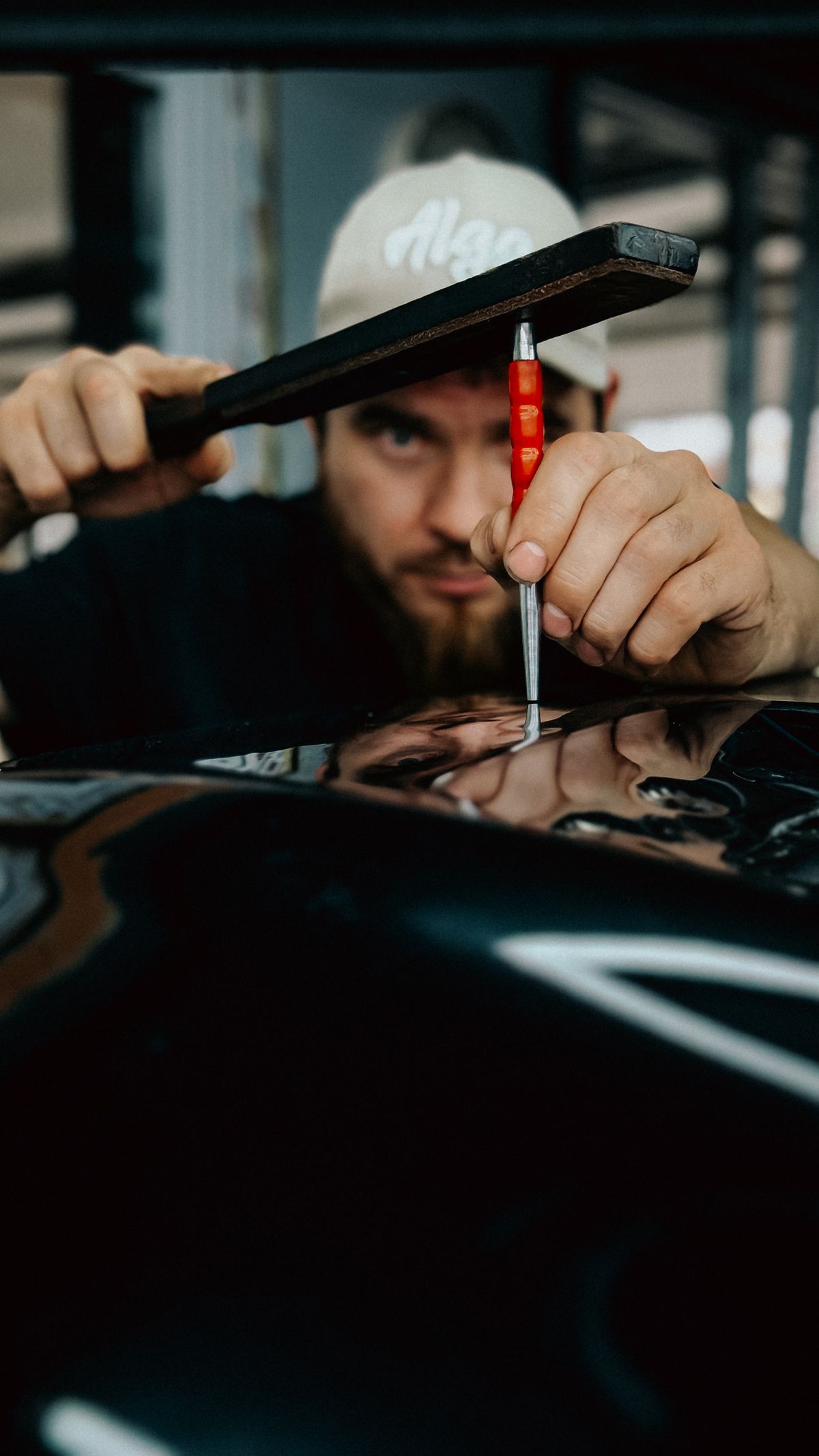
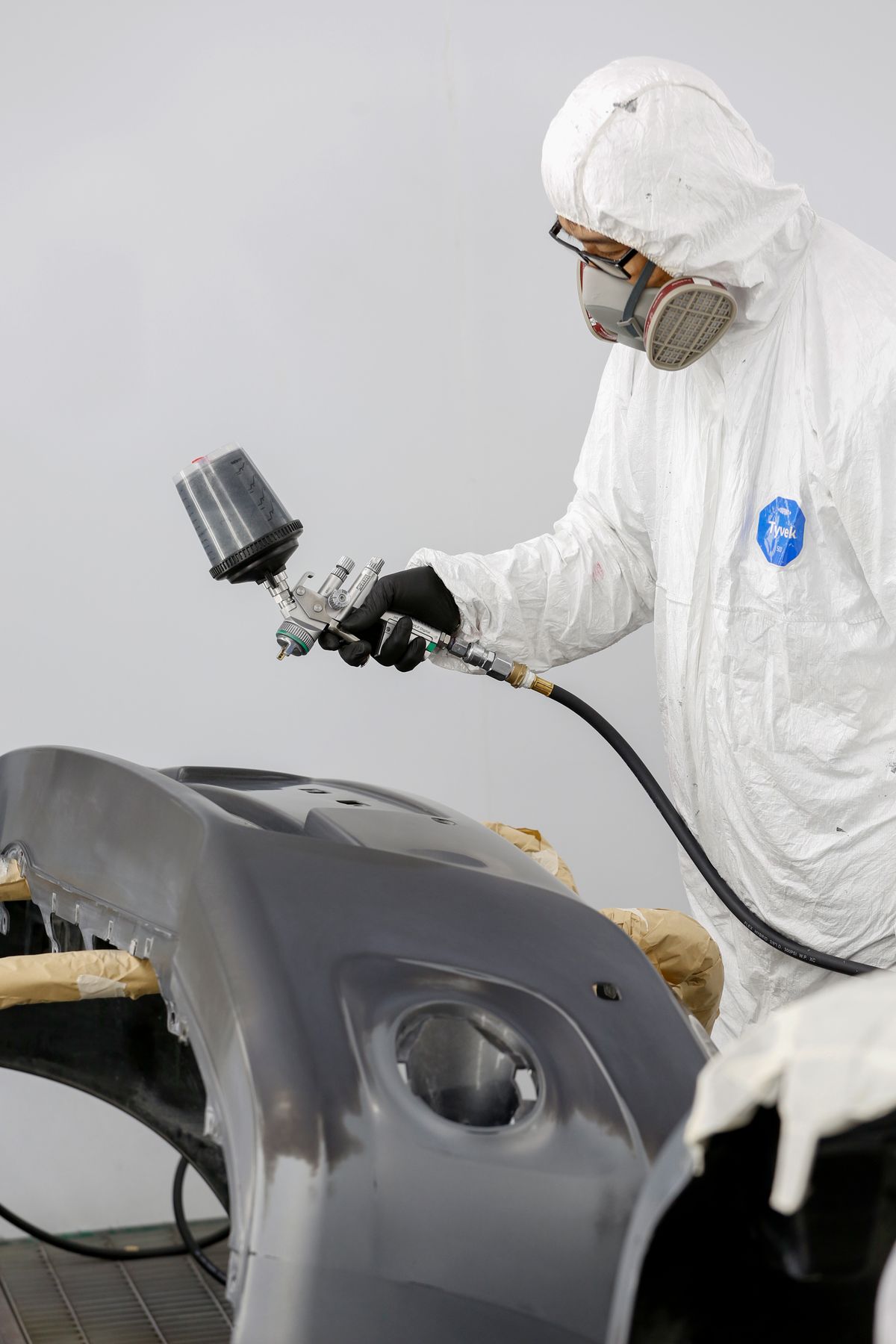
You are in the bay all day. Body work is two-handed work done in noise and dust — pulling, filling, sanding, prepping, painting on a schedule before the booth is needed again. The owner of a small body shop is usually the lead man on a car, not a guy sitting by a phone. Nobody stops mid-panel to answer a ring.
Insurance clocks do not move. Claim numbers, rental-car days, and adjuster appointments run on the insurer’s clock, not yours. A driver who cannot reach you today books an estimate with the next shop today, because every day without a car costs her money and patience.
A wreck scares people into calling three shops. A crumpled car in the driveway reads as a bigger problem every time its owner looks at it, and stress dials fast. They call down the list until a live voice books the estimate — the first answer usually wins the repair.
You are a crew, not an office. Parts orders, supplement calls to adjusters, scheduling the booth, and the phone all land on the same person running the jobs. The phone loses, because it is the only one that can be ignored without stopping the car on the lift.
The Fix
An AI receptionist answers your phone on the first ring, 24 hours a day, so the driver with a wrecked car reaches a real-sounding voice at 7 p.m. on a Sunday — or at 2 a.m. — and gets booked in instead of calling the next shop on her list.
She takes the intake your estimator actually needs. Name, address, and callback number. Year, make, model, and the story of what happened. Photos of the damage, if the driver can send them. The VIN, if you want it up front. The information that lets your estimator look at the job in the morning and price it like he has already seen the car.
She books the estimate visit straight into your calendar. You get a text with the full details the moment she hangs up. You walk in the morning, your day has estimates already on it, and the car is already halfway to your bay.
She also catches the pipeline calls: the fleet manager with dinged work trucks, the dealer who needs a used car turned around before the weekend, the insurance adjuster with a supplement question, the body shop down the road asking if you have a booth opening this week.
You stay in the bay. She makes sure the next estimate is already booked when this car rolls out.
Run Your Own Numbers
Do the math on your own missed calls.
Put in your average job value and how many calls you miss in a typical week.
Then look at https://voiceanna.com to see how it works.
Then call (386) 334-2561 and ask for Anna. She’s an AI receptionist — hear for yourself.
About the author — Scott Riefler is the founder of VoiceAnna, the AI receptionist that helps small businesses stop missing calls. Learn more at voiceanna.com or call (386) 334-2561 and ask for Anna.


Comments
Post a Comment