Your RV Repair Company Is Losing $6,000+ a Month to Missed Calls
A snowbird couple in a motorhome park in Fort Myers wakes up to water dripping through a ceiling light. Overnight rain found the seam where their roof coating gave up, and they're living in this coach until April — a wet roof isn't a someday problem, it's a today problem. They search for RV repair, and your shop comes up first — local, strong reviews, the place other people in the park told them about. They call at 8:15 in the morning. You're already in the bay with a slide-out torn apart and a customer due to pick up at noon. Your phone rings out to voicemail.
They call the next shop on the list. That shop answers on the second ring and tells them to bring the coach in this afternoon. A roof reseal and repair on a rig like theirs runs $3,400. The shop that answered is drying in their ceiling this week. Yours never knew they called.

The Stats
RV repair is a phone business, full stop. Owners don't book a roof job or a dead air conditioner through a website form — they call, describe the noise or the leak, and take the rig to whoever answers and can get them in.
Roughly 6 in 10 inbound calls to small businesses go unanswered (BrightLocal, 2024). About 8 in 10 callers who reach voicemail hang up without leaving a message. CallRail reported in 2025 that 82 percent of callers move on to a competitor after one missed call, and 78 percent have permanently abandoned a business after an unanswered call.
That last one matters in this trade. RV parks and snowbird communities run on word of mouth — one park, hundreds of rigs, all of them the same age with the same roofs, slides, and air conditioners wearing out on the same Florida schedule. The shop the park trusts gets all of it.
What One Missed Call Is Worth
Common RV repair tickets in Southwest Florida add up fast. A roof reseal runs $1,800 to $3,500, and a roof that's gone too long becomes a full replacement at $7,000 to $10,000 once the decking underneath is soft. A rooftop air conditioner replacement runs $1,800 to $2,500 installed. A slide-out mechanism repair runs $1,500 to $4,000 depending on what let go.
The urgent jobs are the best jobs in the business. A couple living in their coach with a leak overhead or no air conditioning in Florida heat is not comparing three estimates over two weeks. They're paying the shop that says yes first.
Now run a conservative month. Say you miss just 5 real inquiries — a few while every tech is under a coach, a couple after hours when travelers break down and start calling from the road.
Say only 2 were serious. One roof reseal and repair at $3,400, and one full roof replacement at $9,000. Even if a full roof like that only walks away every third month, the monthly average of what missed calls cost you still clears $6,000 — and that's before the park neighbors that one good repair sends your way all season.
Why It Keeps Happening
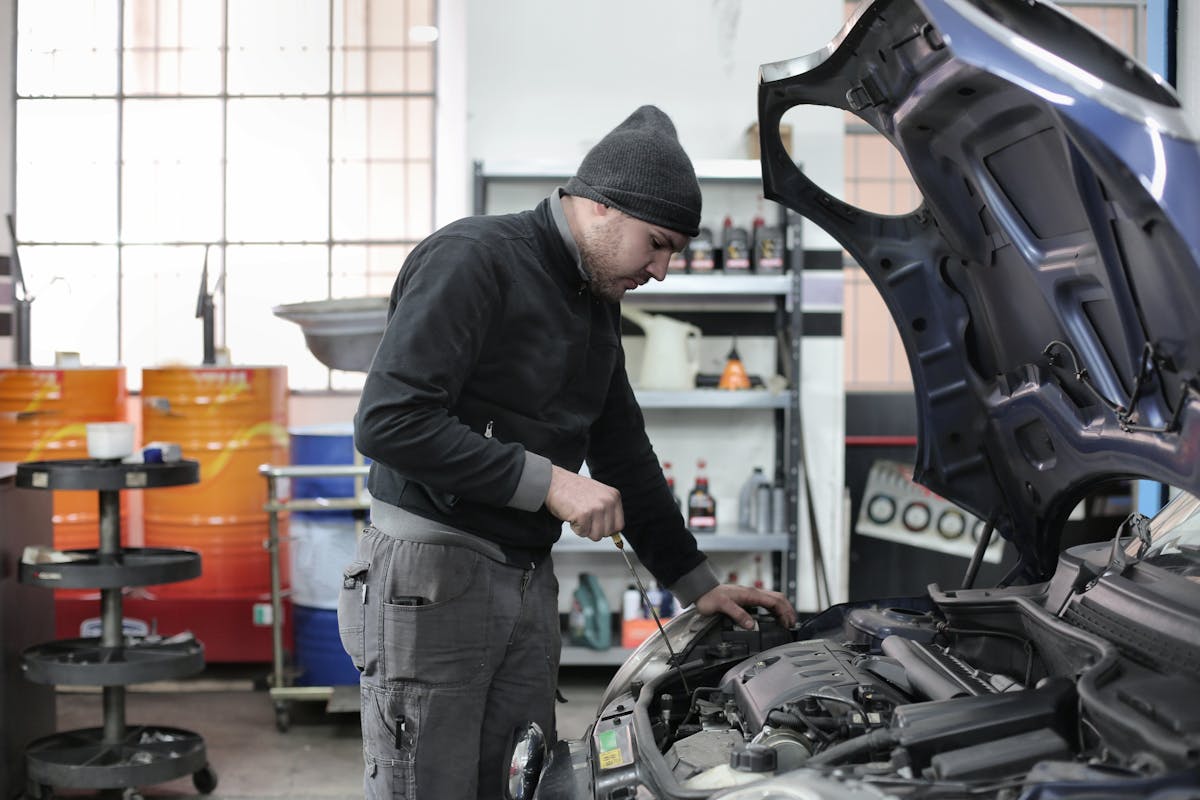
You're in the bay all day. RV repair is two-handed work done on ladders, on roofs, and underneath slide-outs. The owner of a small RV shop is usually the lead tech, not a guy sitting by a phone. Nobody climbs down off a wet roof mid-seal to answer a ring.
Breakdowns don't keep business hours. Travelers find the leak when it rains at night, lose the air conditioner on the hottest afternoon, and discover the slide problem the evening before a travel day. Those calls come early, late, and on weekends — exactly when a small shop's phone goes unanswered.
A stranded owner calls down the whole list. Someone living in their rig can't wait two days for a callback. They call every shop in Fort Myers, Naples, and Cape Coral until a live voice says bring it in — and the first answer gets the coach, the job, and the park's word of mouth that follows it.
You're a crew, not an office. Parts runs, insurance and warranty paperwork, scheduling, and the phone all land on the same person who's also turning the wrenches. The phone loses, because it's the only one that can be ignored without stopping the job in the bay.

The Fix
An AI receptionist answers your phone on the first ring, 24 hours a day, so the couple with water coming through the ceiling reaches a live voice instead of voicemail — even at 7 AM, even while every tech you have is under a coach.
She takes the intake your service writer actually needs. Name, location, and callback number. Year, make, and type of rig. What's wrong — roof, air conditioner, slide, electrical, plumbing. And whether they're living in it or traveling through, because a family living in a leaking coach gets scheduled differently than a stored trailer with a soft spot.
She books the drop-off or the service appointment straight into your calendar. You get a text with the full details the moment the call ends — rig, problem, situation — so you know what's rolling in before it arrives. She explains that pricing takes an in-person look at the damage, without quoting a firm price sight unseen.
She also catches the calls that build the pipeline: the park resident who needs annual roof maintenance before rainy season, the dealer with prep and warranty overflow, the traveler who'll be back through Fort Myers every winter.
You stay in the bay. She makes sure the next coach is already scheduled when this one rolls out.

Run Your Own Numbers
Do the math on your own missed calls.
Put in your average job value and how many calls you miss in a typical week.
Then look at https://voiceanna.com to see how it works.
Then call (386) 334-2561 and ask for Anna. She's an AI receptionist — hear for yourself.
About the author — Scott Riefler is the founder of VoiceAnna, the AI receptionist that helps small businesses stop missing calls. Learn more at voiceanna.com or call (386) 334-2561 and ask for Anna.


Comments
Post a Comment