Your Tree Service Is Losing $4,000+ a Month to Missed Calls

A storm came through around 4 AM. By 7, Dave was standing in his front yard in a wet driveway looking at a split oak leaning on the edge of his roof, one big limb resting on the shingles and a crack running down the trunk.
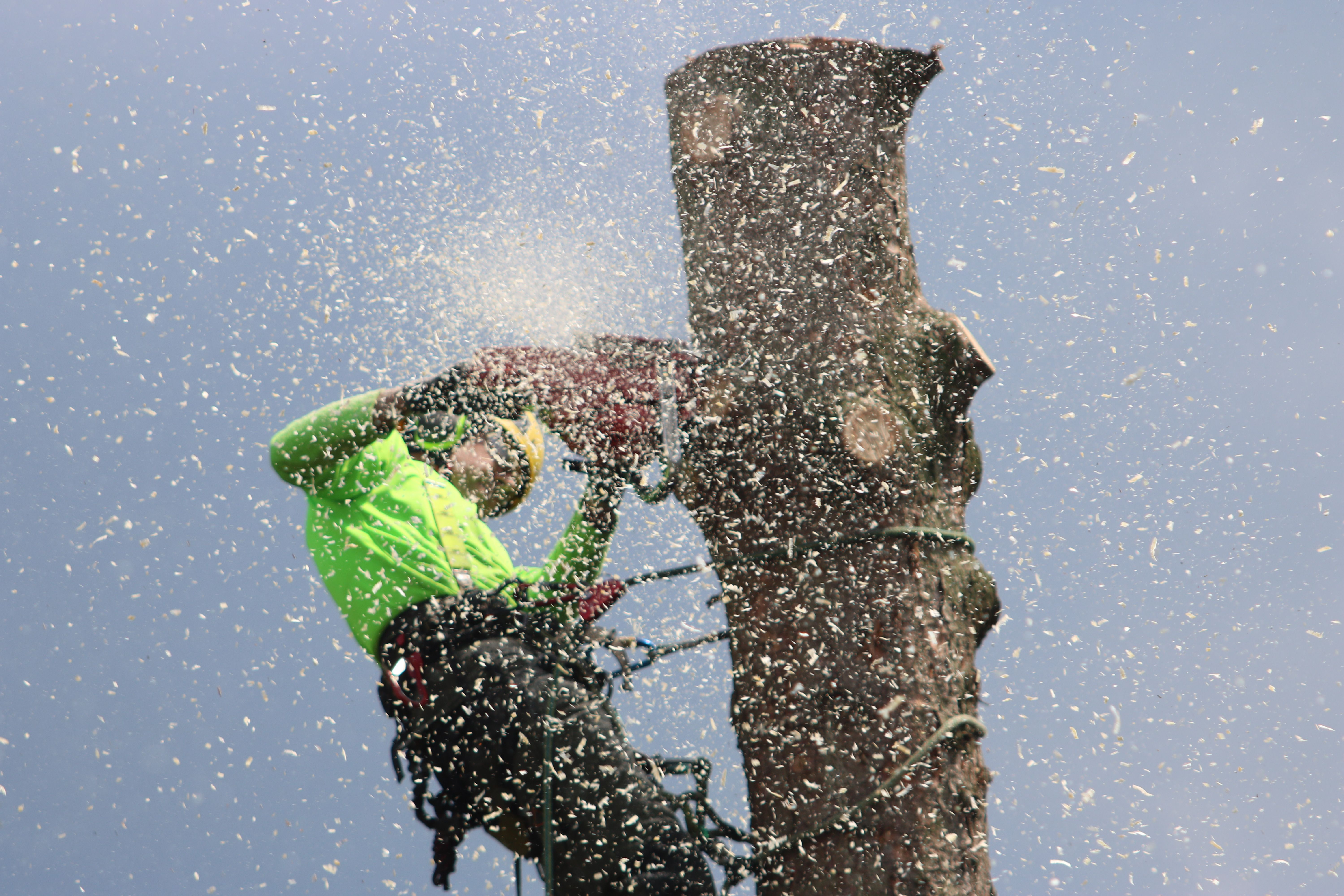
He called the first tree company on Google at 7:10. No answer. He called yours next. You were already on a job two streets over, saw running, a crew member feeding the chipper, hearing protection on. Your phone was in the truck with the doors shut against the noise. It rang, it went to voicemail, and Dave moved on.
The third company answered on the first ring. They had someone at his house by noon, took photos for his insurance company, and gave him a number on the spot. They got the $1,800 removal and the stump. You drove past later and saw their truck in the driveway.
The Stats
Tree work is loud, physical, and done where a phone cannot be answered, and the missed-call numbers land hard on a business built that way.
According to BrightLocal in 2024, roughly 6 in 10 inbound calls to small businesses go unanswered. About 8 in 10 callers who land in voicemail hang up without leaving a message. Homeowners have a list of companies in front of them and no reason to wait on any one of them.
CallRail found in 2025 that 82 percent of callers move on to a competitor after one missed call, and 78 percent have permanently abandoned a business after an unanswered call. That repeat loss matters in tree work, where one homeowner needs trimming every couple of years and sends you two neighbors.
Storm work sharpens all of it. After bad weather, every homeowner with damage calls on the same morning, often with an insurance claim behind the job. The company that answers gets booked. The company that calls back on Thursday gets told the work is already done.
What One Missed Call Is Worth
Trimming and pruning runs $400 to $1,200. A full removal is $800 to $2,500, with a large oak over a house or a power line at the top of that range. Stump grinding adds $200 to $500, and most homeowners who pay for a removal want the stump gone too.
Storm work is its own category. Emergency calls carry premium pricing, and a lot of it is insurance-funded, so the homeowner is focused on getting someone competent out quickly, not on shaving the price.
Now run a plain month with no storm in it. Say you miss 8 calls that came in while the saws were running, or after you had knocked off for the day.
Say half of those go nowhere. Wrong town, a rental they do not own, a price they were never going to pay. That leaves 4 real jobs at a reasonable average of $1,200 a job, mixing one removal with trimming and stump work. That is $4,800 in booked work that went to whoever answered.
Trim it back for the quote you might have lost on price anyway and you are still over $4,000 for the month, conservatively. Add one storm week and the real number gets hard to look at. Each of those 4 customers would also likely have called again and sent you a neighbor.
Why It Keeps Happening
You cannot hear the phone, let alone answer it. Chainsaws, chippers, and blowers run all day, and you work with hearing protection on. The phone lives in the truck, because a phone in your pocket gets crushed or dropped out of a tree.
Your hands and your position are the problem. You are climbing, rigging, roping limbs down, or running a bucket. There is no version of that work where stopping to use a phone is safe.
Estimates eat the gaps. When you are not cutting, you are driving to look at trees, walking yards, and writing quotes in the evening. Those are the hours the next calls come in.
Storm weeks overload everything. After a storm your customers, their neighbors, and half the county call in the same two days, while you work daylight to dark clearing the worst damage. A phone system that barely holds up in a normal week gives up in a storm week.
Seasonal crews do not answer phones. In Florida especially, hurricane season brings more calls than your regular crew was built for. Extra hands help you cut faster. They do not book the next job, because booking lives with you and your phone.
The Fix
An AI receptionist answers your line on the first ring, 24 hours a day, whether you are in a tree, on an estimate, or asleep before a storm shift.
She takes the call the way an office manager who knows trees would. Name, address, and callback number. What kind of tree and roughly how big. Where it sits, over the house, near lines, in an open yard. Whether anything is damaged, and whether someone needs to come out today.
She books the estimate visit into your calendar and holds the slot. The homeowner stops calling other companies because they already have an appointment with yours, and they have already told their story once.
You get a text with the details as soon as the call ends. Address, tree, urgency, access notes like a gate or a dog in the yard. Your afternoon estimates are sitting there in order, ready to route.
She is also there for the storm surge. When twenty calls come in on one morning, every one gets answered, logged, and sorted by urgency instead of stacking up in a voicemail box. The tree on a roof gets flagged to you fast. The routine trimming quote gets booked for next week.
You do the cutting. She keeps the pipeline full behind you.
Run Your Own Numbers
Do the math on your own missed calls.
Put in your average job value and how many calls you miss in a typical week.
Then look at https://voiceanna.com to see how it works.
Then call (386) 334-2561 and ask for Anna. She's an AI receptionist — hear for yourself.
About the author — Scott Riefler is the founder of VoiceAnna, the AI receptionist that helps small businesses stop missing calls. Learn more at voiceanna.com or call (386) 334-2561 and ask for Anna.


Comments
Post a Comment