Your Pest Control Business Is Losing $3,000+ a Month to Missed Calls
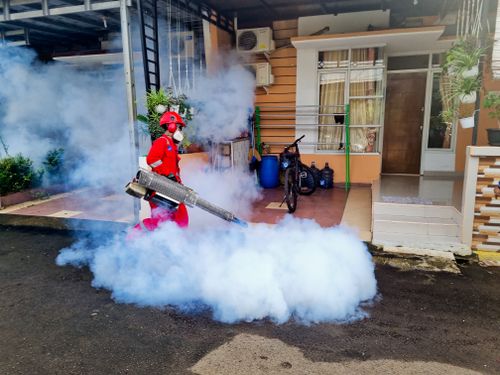
Your technician is under a house in Naples, sealed in a crawlspace, respirator on, laying bait stations for palmetto bugs. The phone rings in the truck, sitting in the customer's driveway. It rings, rings, goes to voicemail. The caller needed a termite inspection. They hang up, call the next company on Google, and you never find out they existed.
That's not a bad day. That's a normal Tuesday in pest control.
The Stats
Let's stop guessing about this and look at what's actually happening to your phone:
- Around 6 in 10 inbound calls go unanswered at small businesses (BrightLocal, 2024). You're out on routes, not sitting by a desk.
- About 8 in 10 callers who reach voicemail hang up without leaving one. Voicemail is a waiting room nobody sits in.
- 82% of callers dial a competitor when you don't answer (CallRail, 2025). They don't wait for a callback. They move on.
- 78% say they've abandoned a business entirely after an unanswered call (CallRail, 2025). That's not a lost job — that's a customer who will never call you again.
Think about that last number for a second. Almost eight out of ten people who couldn't reach you didn't just go elsewhere this once. They crossed your name off the list for good.
What One Missed Call Is Worth
Here's the math for a pest control company:
- Quarterly service contract: $150–$300 per visit, four visits a year = roughly $600–$1,200 per year per customer. And those customers renew. A quarterly customer you keep for five years is worth $3,000–$6,000.
- One-time treatments: $200–$500 for bed bugs, roaches, fleas. These jobs are high-margin and often same-week.
- Termite inspections and treatments: the big tickets. A full termite treatment can run $1,000–$3,000 or more.
Now run the numbers. If you miss five calls a week — conservative for a two- or three-truck operation during rainy season in Florida, when every home in Southwest Florida seems to sprout ants overnight — and even one of those five becomes a customer, that's one lost customer a week. A single quarterly contract at $800 a year is $67 a month in recurring revenue. A one-time bed bug job is $400 cash. Termite treatment? Gone.
Two missed conversions a month at an average first-year value of $1,000 each is $2,000 a month. Add a couple of one-time treatments and one termite job per quarter, and you're past $3,000 a month — in revenue that's gone to the company that answered the phone instead of you.
That's $36,000 a year. That's a whole extra technician's salary, walking out the door because nobody was standing next to the phone.
Why It Keeps Happening
This isn't laziness. It's the structure of the business:
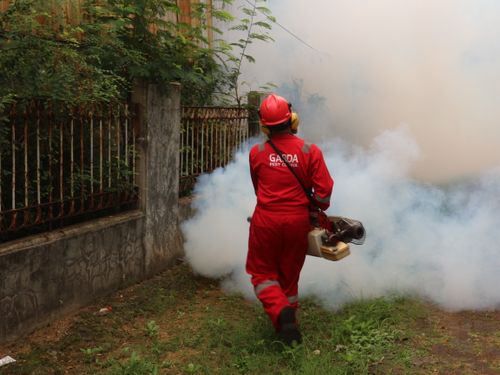
Your people work where phones can't be answered. Techs are under houses, on roofs, inside wall voids, in hazmat gear spraying a crawlspace. They can't stop mid-treatment to book a customer, and they shouldn't — the one in front of them paid already.
Pest calls are urgent. Someone sees a roach in the kitchen at 7 AM and they're not scheduling for next Tuesday. They're calling until someone picks up. The first company that answers wins. Pest control is a whoever-picks-up-first business more than almost any other trade.
After-hours is when the bugs come out. Literally. Roaches, bed bugs, scratching in the attic — customers discover problems at night and on weekends. If your phone goes to voicemail after 6 PM, you're donating every evening call to your competition.
The front desk, if you have one, is gone at 5. A solo operator or a small shop can't afford a night-shift dispatcher. And during the day, the office person is dispatching, billing, ordering chemicals, and handling the techs — the phone is job number six.
The Fix
You need someone who answers on the first ring, every time — at 7 AM, at midnight, on Sunday — who can book the inspection, take the details, and calm down a panicked customer who found a swarm in the garage.
That used to mean a full-time hire: $3,000+ a month, plus training, plus turnover, plus sick days, plus the part where they still go home at 5. An AI receptionist does the same job — answers instantly, books the appointment, takes the notes — for a fraction of that, and never sleeps, never quits, never calls in.
She's not a voicemail with a nicer voice. She has a conversation. "I can get a technician to you tomorrow between 9 and 11 — is that address 1234 Gulf Shore?" Then the job lands in your schedule with the customer's details, and your techs wake up to a full day instead of an empty voicemail box.
Run Your Own Numbers
Do the math on your own business with the Missed Call Cost Calculator — it takes about 60 seconds:
Then look at https://voiceanna.com to see how it works.
Then call (386) 334-2561 and ask for Anna. She's an AI receptionist — hear for yourself.
About the author — Scott Riefler is the founder of VoiceAnna, the AI receptionist that helps small businesses stop missing calls. Learn more at voiceanna.com or call (386) 334-2561 and ask for Anna.


Comments
Post a Comment